A shared direction
Agree what you want to change and how you will recognise useful progress in daily life.
 Human Systems Ecology
Mark Mathieson · Registered psychologist
Experienced advice.
Practical direction.
Work that reaches into life.
I work primarily with veterans and first responders navigating occupational stress, the effects of traumatic experiences, or difficulty finding their footing after demanding roles. My small Wangaratta practice also considers suitable adult and adolescent referrals. Expect straight conversations, considered advice and practical work on the life you return to.
Wangaratta is part of the practice
Carnacoo is my base. The work reaches into the places, relationships and daily patterns that make up your life.

I work from Wangaratta: a regional community of rivers, parks, nearby bushland, workplaces and ordinary daily commitments. These are part of the context in which I practise, and part of what we may work with.
Through Human Systems Ecology, I consider the interaction between your body, surroundings, culture and the wider systems of your life. We look at what is happening for you and what in your circumstances needs attention: the pace of a week, how you move, who you spend time with, what matters to you and where you feel connected or out of place.
Conversation helps us understand the situation. Then we agree what to put into practice, where it belongs in your life and how we will review it.
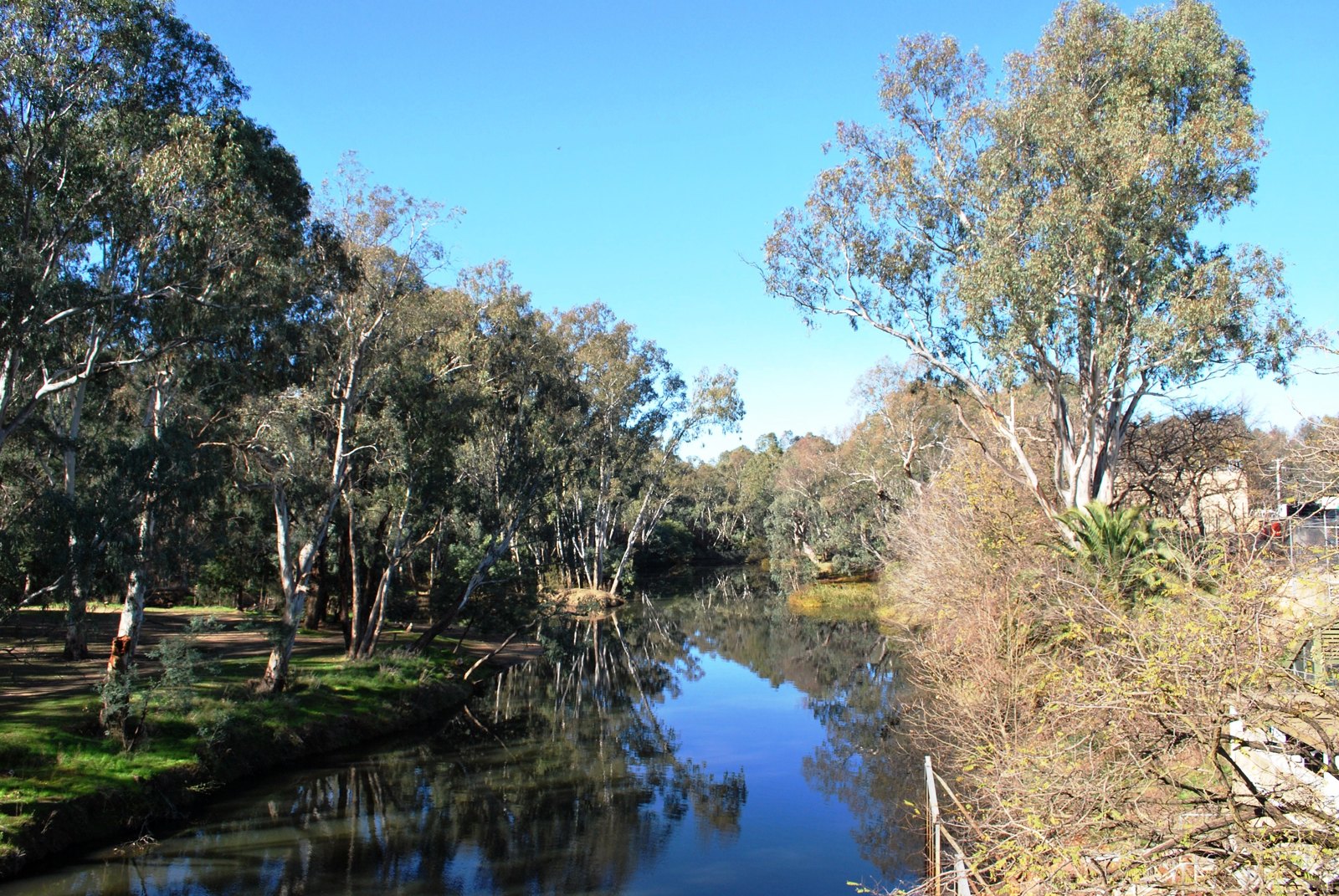
A familiar park or river path may become somewhere to put the work into practice: an agreed walk, an attention exercise or a routine you can sustain between appointments.
Ovens River, Wangaratta · Mattinbgn · CC BY-SA 3.0. Display cropped; image resized.
The nearby bushland and its changing seasons are part of this place. Depending on your goals, the work may include deliberate time in nature, noticing your surroundings or making room for meaningful activity and contribution.
Warby Ranges wattle · Peterdownunder · CC BY-SA 4.0. Display cropped; image resized.The plan is built around you. Any outdoor activity and its location are agreed individually, including purpose, access, privacy, safety and funding. Activities are adapted to your capacity and circumstances; fitness or outdoor experience is not a prerequisite.
A focused practice
You may be dealing with persistent stress, the aftermath of difficult experiences, disrupted relationships or a loss of direction after service or demanding work. I give priority to veterans and first responders whose difficulties now reach into everyday life.
Other adults may also be a good fit, particularly where prolonged stress, demanding roles or a significant change in life has disrupted functioning, relationships or a sense of direction. Selected adolescent referrals are considered individually, with attention to the young person’s needs, willingness to participate and appropriate family or care arrangements.
A small caseload allows the work to be purposeful: clear goals, a considered plan, active participation and regular review. Suitability depends on the person, the clinical need and what this practice can realistically provide.
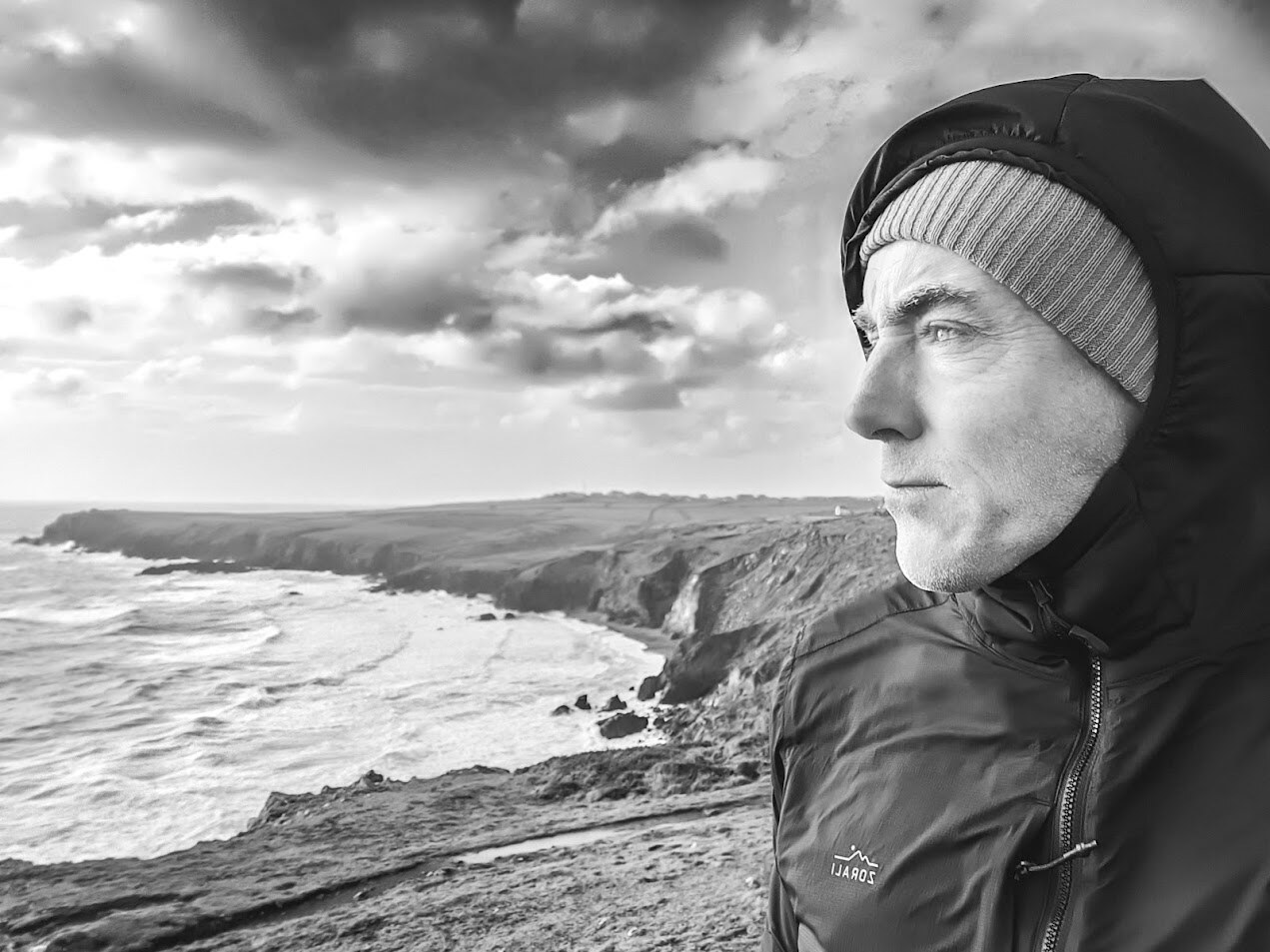
Your psychologist
More than 25 years working across psychology, the military, organisations, sport and demanding environments.
My experience includes eight years as a regimental psychologist with the SAS and psychological work on Alone Australia, Australian Survivor and SAS Australia. I bring that experience to a small practice concerned with your life as a whole.
At Carnacoo, I use psychological assessment and treatment informed by the Human Systems Ecology framework I am developing. We will work together to understand what is happening, agree a direction and review whether the work is useful in your daily life.
The approach
My job is to help you make sense of a difficult situation, give you a clear view of the options and work with you on what needs to change.
The psychological work includes examining sleep, food routines, physical activity, time outdoors, relationships, work demands and the structures of an ordinary week. Assessment guides changes to daily routines, which may sometimes be substantial.
Expect to do more than describe what is difficult. We may practise skills in a session, test a change in a daily routine, plan an activity beyond the consulting room or work on rebuilding connection and participation in your community. The setting, purpose, accessibility, safety and funding of any activity are discussed before it is agreed.
The approach is multidisciplinary. With consent, care may involve coordination with your GP, psychiatrist, dietitian, physiotherapist, exercise physiologist or other relevant practitioners. Nutrition and physical health needs are addressed within the appropriate professional scope.
HSE provides a wider way of understanding the relationships between a person, their body, culture, place and circumstances. Psychological treatment is chosen for your assessed needs; HSE is an emerging framework, rather than a separately validated treatment.
A little more about Human Systems EcologyHow we begin
The initial assessment explores what has brought you here, how it affects daily life, relevant history and current supports. We consider the level and type of care you need, including whether this practice is a suitable setting.
We identify meaningful goals, choose an appropriate psychological approach and agree the work between sessions. Any involvement of other practitioners, activities outside the room, fees and funding arrangements is discussed with you.
We look at progress in symptoms, functioning and the parts of life that matter to you. If the work is not helping, we discuss adjustments, other care options or whether another service would be a better fit.
After an enquiry, I review fit and current capacity, clarify the referral and funding route, and explain the next step. An initial assessment may be offered where appropriate; it does not commit you to ongoing treatment.
What the work asks of you
Agree what you want to change and how you will recognise useful progress in daily life.
Try agreed tasks between sessions. Expect to examine familiar patterns and consider changes to daily routines, which may sometimes be substantial.
Discuss what is helping, what is difficult and what needs adjusting. Review the plan together rather than continue by default.
Challenge is agreed, purposeful and paced to your circumstances. Plans take account of symptoms, disability, current capacity, safety and resources. You retain choice about the work you undertake. Progress varies; outcomes cannot be guaranteed.
Initial discussion
You do not need to decide whether you are a suitable client before getting in touch. We work that out together.
Contact the practice to arrange an initial discussion about what you need, how I work and current capacity. We can clarify referral and funding arrangements, then decide whether to proceed to an assessment. The scale of any changes to daily life emerges from that assessment.
Practice emailpsychology@100percentpurehuman.com
AvailabilityGenerally Monday–Wednesday, by appointment. Other times, including telehealth, considered individually. Appointment times are confirmed following discussion.
This form prepares an email in your email app for you to review and send to psychology@100percentpurehuman.com. Nothing is submitted or saved by the website. Please keep your enquiry brief and leave out clinical history or reports. You can also email the practice directly.
These are prompts for discussion. You do not need to prepare answers before making contact.
 View my Halaxy profile Opens in a new tab
This is a planned outpatient practice. It does not provide emergency care or continuous crisis monitoring. For immediate danger call 000; for urgent care contact your GP, treating team or nearest emergency department.
Fees & funding
Private sessions are $260 for 50 minutes or more. For eligible Medicare sessions, the usual gap is approximately $160. The applicable rebate, your out-of-pocket cost and any additional agreed work are confirmed before booking.
Medicare, DVA, TAC and WorkCover referral routes are available, subject to individual eligibility, any required authorisation and current capacity. Begin with a discussion so we can confirm the applicable arrangements. An HSE-informed plan does not make every activity or allied health service rebateable.
You can make an initial enquiry directly. A GP referral is not generally required for self-funded psychology care. If considering private health cover, check your policy and the practitioner’s eligibility with your insurer.
Discuss eligibility with your GP and obtain a valid referral and Mental Health Treatment Plan where required. Eligible people can receive rebates for up to 10 individual and 10 group mental health sessions per calendar year. Rebates cover part of many practitioners’ fees; confirm your expected gap and the applicable service before booking.
Medicare guidanceAsk your GP about an appropriate referral and check your Veteran Card entitlements, including any relevant Non-Liability Health Care cover. Confirm the practice can accept the referral before booking. For covered services accepted under DVA arrangements, the approved DVA fee is payment in full and no gap is charged.
DVA guidanceTAC and WorkCover referrals can be considered. For Victorian WorkSafe psychology, a medical referral is required before treatment. Discuss your claim, entitlements and any required approval with your case manager. Confirm accepted funding, fees and any gap before booking. Other insurers and employer-funded arrangements need separate confirmation.
WorkSafe guidanceGeneral funding information checked 22 October 2026. Use the official links for current rules. Group work, extended sessions and activities beyond the consulting room require their own suitability and funding checks.
For GPs & referrers
GPs, treating specialists, rehabilitation providers and referral agencies can enquire directly about clinical fit and current capacity.
Referral summary · 27 October 2026
Practice information: 100percentpurehuman.com/carnacoo
Contact the practice about the reason for referral and current capacity. A person does not need to pass a readiness questionnaire; suitability and the proposed approach are discussed individually.
Contact Mark with your professional details and the funding route to clarify. Referrals can be sent via Medical Objects or email to psychology@100percentpurehuman.com. Provider details can be supplied directly.
Use your usual clinical information-handling and consent procedures. Useful referral information includes the reason for referral, agreed goals, relevant history, current supports, risk and safety needs, and funding details. Adolescent referrals also need relevant consent and care arrangements.
A referral or enquiry does not reserve an appointment. Fit, capacity, clinical responsibility and funding are confirmed before treatment is arranged.